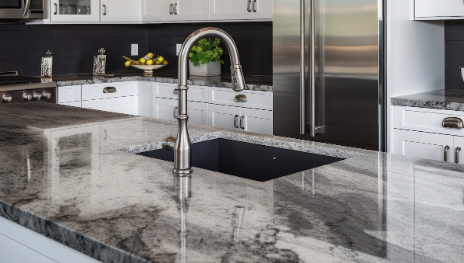

Never choose a kitchen countertop based on trends or feelings. When the scratches, stains, or regrets show up months later, those trends won’t matter, and those feelings will be long gone. In this guide, you’ll learn how to choose the best kitchen countertop for real life, not just the showroom.
With over 25 years of experience and thousands of kitchens completed across Wisconsin, we know what holds up, what breaks down, and what gives you the best long-term value.
1. Start With How You Actually Use Your Kitchen
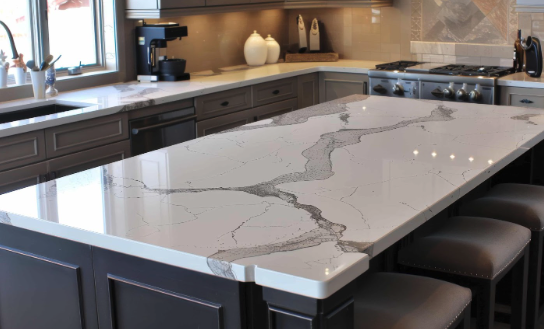
Never start with color or trend. Start with the truth. How does your kitchen really get used?
If you cook often, deal with high heat, or have kids dropping forks and spilling juice, your countertops are under daily pressure. In that case, you need a surface that’s more than just pretty. You need durability, resistance to scratches, and a surface that hot pots and pans won’t damage.
Quartz, granite, and soapstone top the list here. They can take a beating without losing their looks. Marble, on the other hand, may require more babysitting. Still gorgeous—but less forgiving.
This is where your lifestyle sets the rules. If your kitchen works hard, your counters have to work harder. And that leads to the next question…
2. Know Your Maintenance Limits
Some homeowners love the ritual of sealing stone, polishing edges, and keeping a close eye on wear. Others want to wipe down with mild soap and water and move on.
Quartz countertops are nearly zero-maintenance. No sealing. No stains. No stress. Granite and marble countertops, while beautiful, are natural stone, which means they’re porous and may need sealing to stay protected. Skip it, and you risk long-term staining and dullness.
This is where the real cost of a countertop shows up—not just per square foot, but in your time and peace of mind. Ask yourself: Do you want a showpiece you manage? Or a silent workhorse that just handles business?
Still unsure? Don’t worry—what you like and what you can care for don’t have to clash. Next up, we’ll talk about finding the balance.
3. Find the Sweet Spot Between Beauty and Function
Everyone wants their kitchen countertops to turn heads. But if beauty comes with a long list of rules, it may not last long in a real-world kitchen.
Want elegance without the upkeep? Quartz and quartzite give you the colors and patterns of natural stone, but with fewer headaches. Want bold, tactile character? Soapstone and porcelain deliver timeless aesthetics and tough durability.
There’s no one “best countertop.” There’s only the best countertop for your kitchen, your budget, and your reality. That’s why choosing materials isn’t just about taste. It’s about how that taste will wear over time.
From here, it’s time to zoom in on the options—so you can match vision to performance.
4. Consider the Long-Term Value—Not Just the Look Today
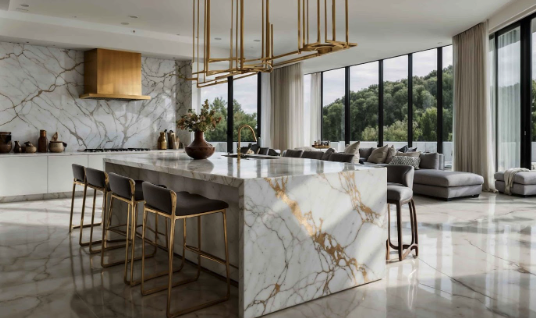
Countertops aren’t just surfaces. They’re resale statements. They signal quality, style, and how well the home was cared for. Buyers see stone countertops and immediately think: this home is worth more.
But this isn’t just about the market. It’s also about your daily experience. When you walk into your kitchen every morning, do you want to feel proud or annoyed by another etch mark you could’ve avoided?
Durable, low-maintenance materials like quartz or quartzite give you both: everyday ease and long-term payoff. Natural stone like granite gives you a legacy feel—something that lasts for decades. When you view countertops through that lens, the right choice becomes clearer.
Still, there’s one more factor that no one wants to talk about—but everyone should.
5. Is Budget Important When Choosing Countertops?
We didn’t forget about budget. Budget shouldn’t be the first or only filter you use when choosing new countertops. Why? Because this is your kitchen. Your home. The space where life happens.
Cutting corners here doesn’t save you money—it costs you value. Cheap laminate or poorly installed surfaces might look okay at first. But they won’t age well, they won’t impress anyone, and they definitely won’t boost your resale.
If you ever decide to sell, your countertops are one of the first things buyers notice. And even if you stay, ask yourself this: Do you want your home to look ordinary, or do you want visitors to walk in and recognize your taste, your attention to detail, and your sense of style?
Your countertops don’t have to be the most expensive in the showroom. But they should be right for your kitchen, right for your lifestyle, and something you’re proud of every time you walk in the room.
Budget matters. But value matters more.
6. Compare the Top Kitchen Countertop Materials (With Real Pros and Cons)
Now that you know what matters most in your kitchen, let’s stack the popular countertop materials side by side.
- Quartz – An engineered material, quartz is consistent, stain-resistant, and doesn’t need sealing. Great for families, frequent cooks, and anyone who wants beautiful without babysitting.
- Granite – A classic natural stone countertop with deep veining, resistant to heat and scratches, but needs sealing to keep stains out. A great bang for your buck if you want drama and durability.
- Marble – Timeless and upscale, marble is porous, soft, and stains easily. Best used in low-traffic or controlled areas where you can care for it.
- Soapstone – A soft natural mineral that’s low-maintenance, heat-resistant, and ages with character. Great if you like patina over polish.
- Porcelain – Thin but tough, porcelain offers a modern look, handles heat with ease, and resists UV fading. It’s sleek and sophisticated with minimal maintenance.
- Quartzite – Looks like marble, performs like granite. Quartzite is a natural stone with high durability, ideal for anyone who wants visual elegance without high upkeep.
- Remnants – Leftover pieces of premium slabs offered at lower prices. A smart option for smaller spaces like bathroom vanities, laundry rooms, or bar tops. Same quality. Less cost.
Next, let’s talk money—because performance is only half the story.
The Bottom Line: Start with How You Live. End with What You’ll Love.
The perfect countertop isn’t just the one that looks good on Pinterest. It’s the one that looks good in your kitchen, under your lighting, next to your cabinets, and after five years of daily use.
So ask real questions. Get honest answers. And choose a surface that works as hard as you do.
Need help figuring out which material fits your kitchen best? Reach out today for a consultation or showroom visit. We’ll help you find the best kitchen countertop—without the stress, the second-guessing, or the sales pitch.
Frequently Asked Questions
1. What is the best countertop material for a busy kitchen?
If your kitchen sees daily wear and tear, quartz countertops are a top contender. They’re durable, low-maintenance, and don’t need a sealant. Granite countertops are another strong option, especially when properly sealed, offering excellent resistance to heat and scratches. For homeowners who cook often or have kids, choosing a countertop that balances strength with stain resistance is key.
2. How do I choose the right kitchen countertop for my lifestyle?
Start by asking how you use your kitchen. Do you cook every night or just on weekends? Do you entertain? Have kids? The right kitchen countertop options depend on your answers. If you prefer little upkeep, quartz or porcelain is ideal. For homeowners who appreciate character and natural aging, soapstone countertops are worth considering.
3. What should I consider when choosing kitchen countertops for a remodel?
A kitchen remodel is a chance to rethink your entire space. Match your countertop options to your cabinet color, backsplash, and flooring. Consider your long-term plans—are you upgrading for resale or building your dream kitchen? Quartzite, marble, or granite kitchen surfaces offer a range of styles and color palettes that complement both traditional and modern kitchen design.
4. Are natural stone countertops high maintenance?
Not all natural stone countertops require equal care. Quartzite and granite need periodic sealing, while soapstone doesn’t. Marble requires the most attention, especially in high-use areas. Choosing a type of countertop that fits your maintenance comfort level is just as important as its look.
5. How do remnants factor into choosing a countertop?
If you’re working on a small kitchen project or looking for an affordable countertop, remnants are a smart choice. You can often get high-end granite, quartz, or marble slabs at reduced prices—ideal for vanities, laundry rooms, or accent areas. Ask your fabricator about current inventory.
6. What are the pros and cons of quartz vs. granite?
Quartz countertop surfaces are engineered for consistency and require no sealing. They’re ideal for low-maintenance living. Granite countertops, while natural and unique in pattern, need sealing but offer unmatched character. Choosing between quartz and granite comes down to how much care you’re willing to give and what visual style fits your space best.